
Documentaries
Documentary films about cultural memory, colonial history, identity and the unstable boundary between public history and personal narrative.
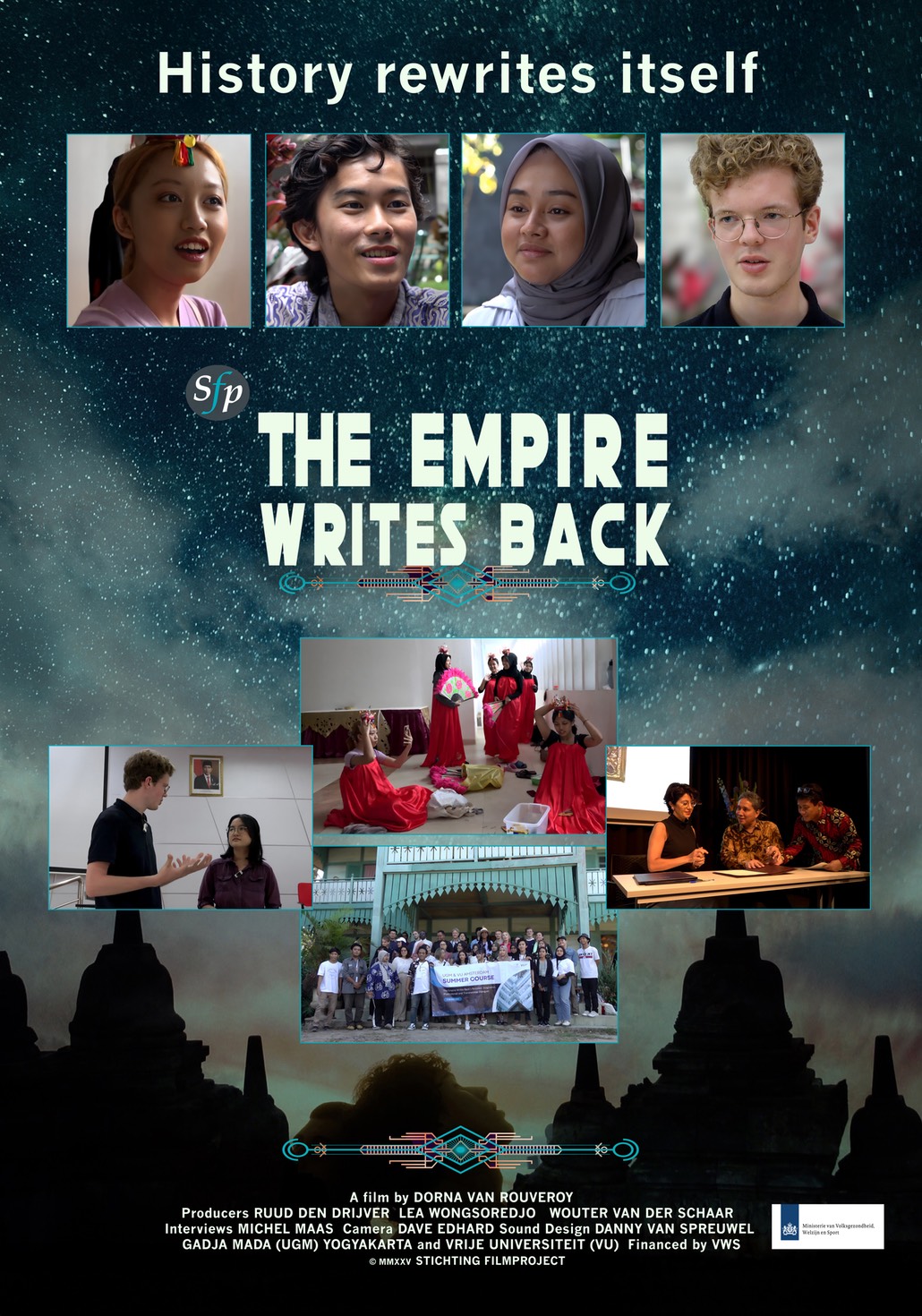
The Empire Writes Back
A short documentary about a long-overdue conversation between Indonesia and the Netherlands. At a unique summer school, students from both countries explore their shared colonial past through film and literature — not as fixed history, but as lived memory.
The film has been presented on the international film-festival circuit.
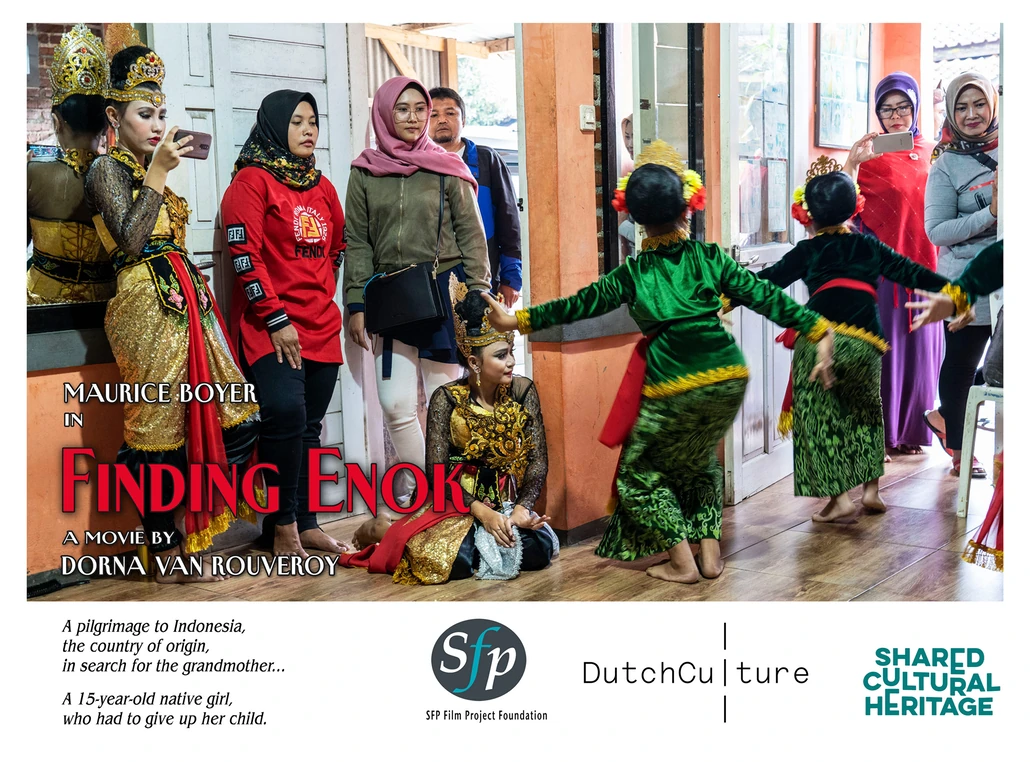
Finding Enok
Finding Enok has been featured at the Women’s International Film Festival in the United States and was the opening film at the International Festival of Ethnological Film in Belgrade. It received recognition at the LA Independent Women Film Awards and an honourable mention at the Awareness Film Festival in Los Angeles. It has also screened in Chennai and Tokyo.
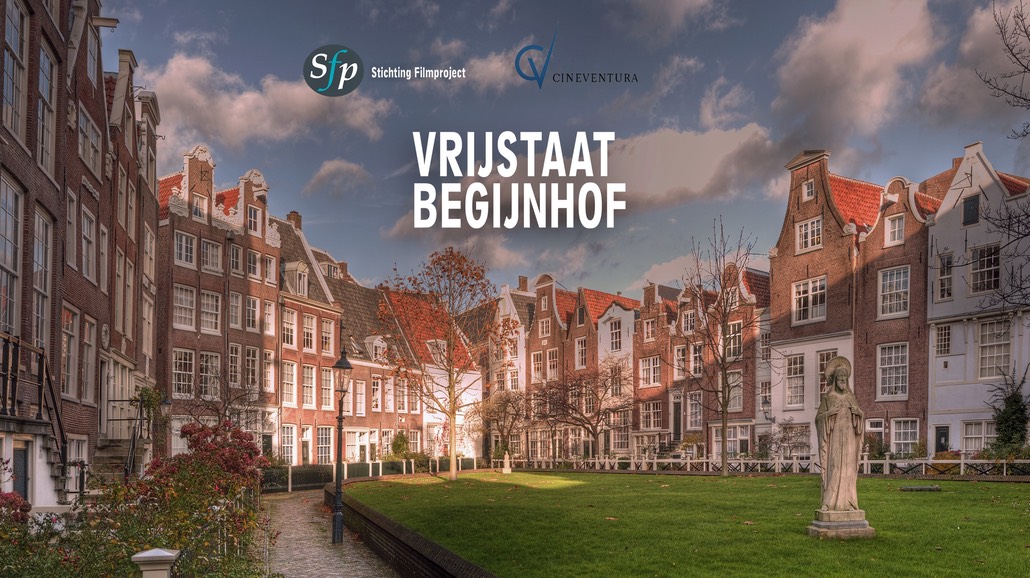
Vrijstaat Begijnhof
A documentary about Amsterdam’s Begijnhof: a living museum where residents, tourists and two churches coexist in a place that for centuries has symbolised female autonomy in the heart of the city.
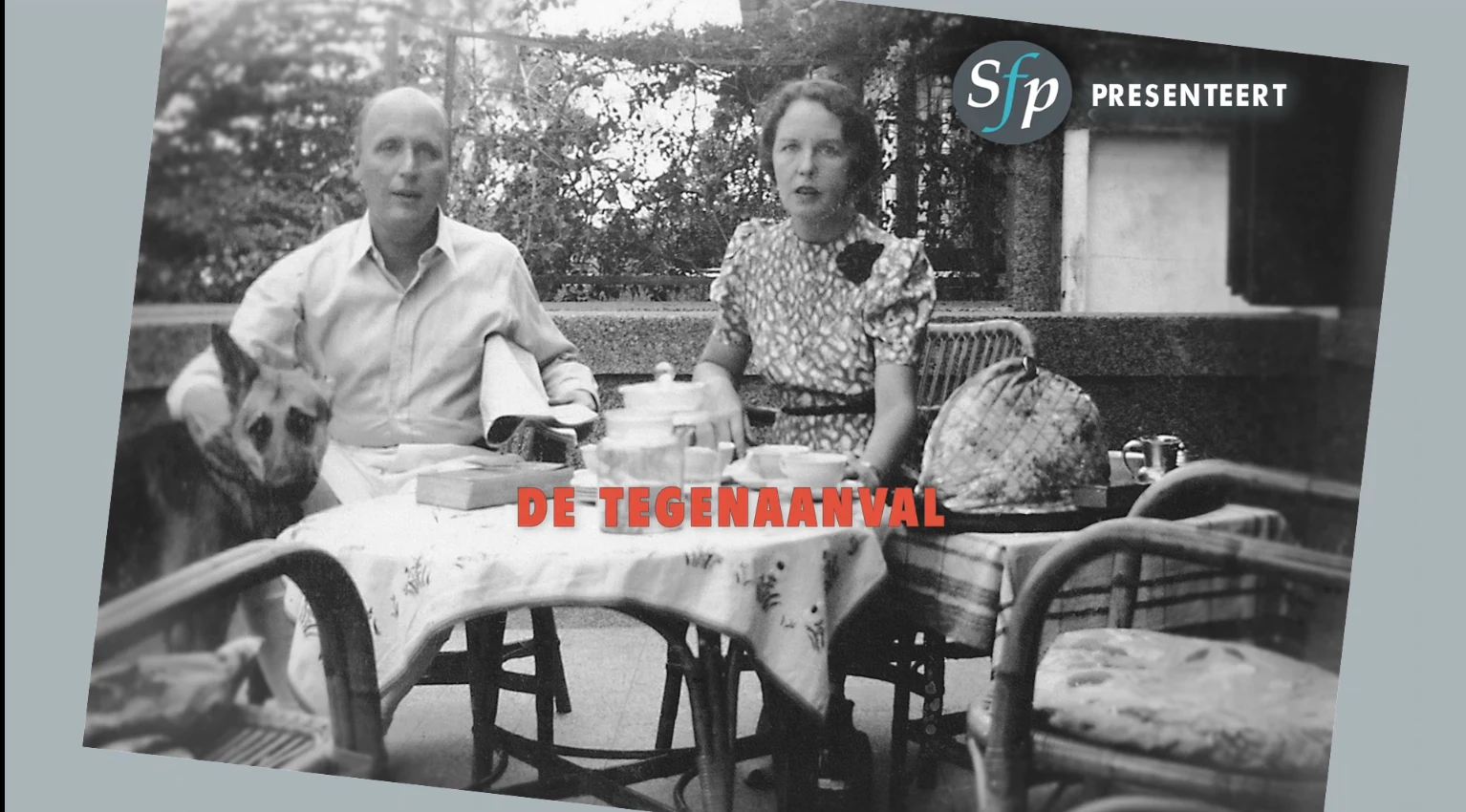
The Counterattack
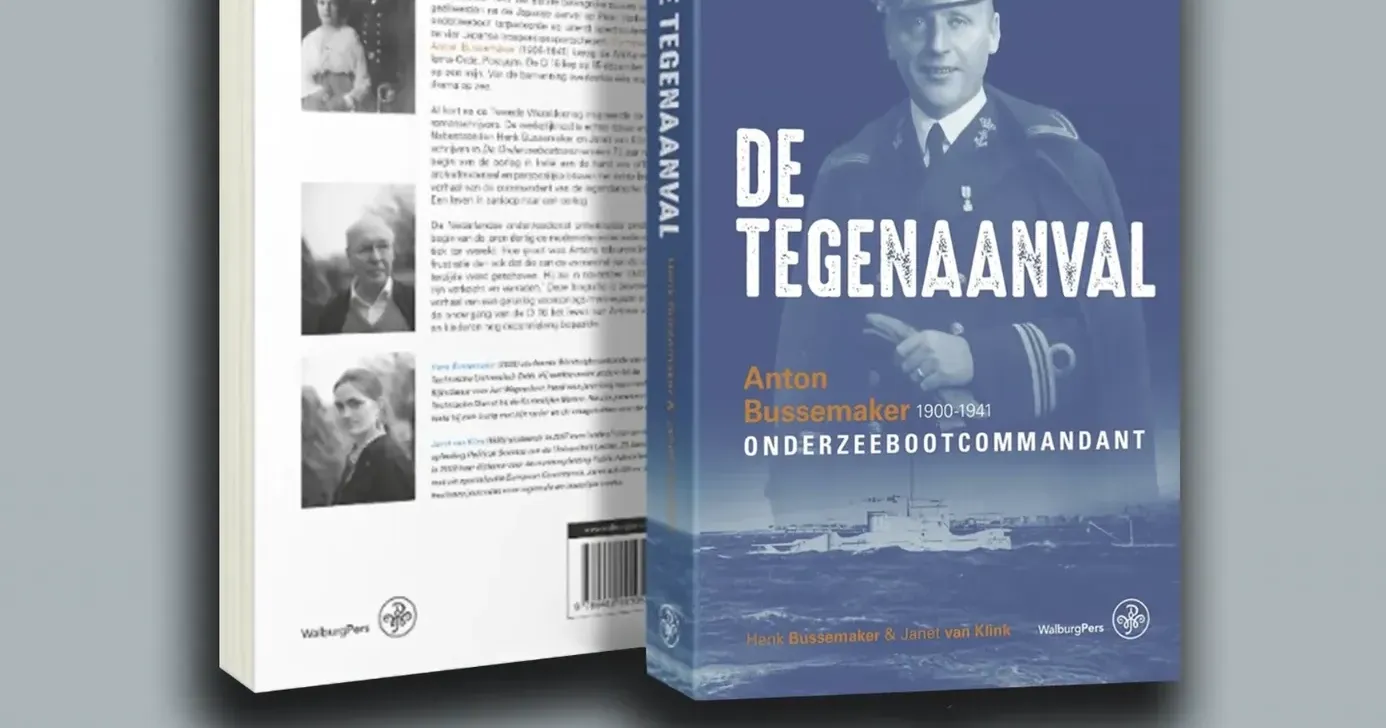
“We have been sold and betrayed.” That is what Anton Bussemaker, a submarine commander in the Dutch East Indies, told his wife Bep. Their eleven-year-old son Henk overheard the conversation. Anton was forced to surrender his advanced tactics when the Dutch submarines came under British command. After torpedoing several Japanese ships with the O16, the submarine struck a Japanese mine and went down with the entire crew. Bep was left behind with Henk and his brothers.
The disaster shaped the rest of Henk’s life. He wrote two books about the loss of the O16 and explained on television what he believed was the true cause: Colonel Helfrich had handed the Dutch submarines over to the Allies.
Dorna van Rouveroy made a film about Henk, his wife Elly and their children Jet, Anton and Wouter. The film shows how this tragedy permanently shaped the life of the Bussemaker family.
Kingdom at War
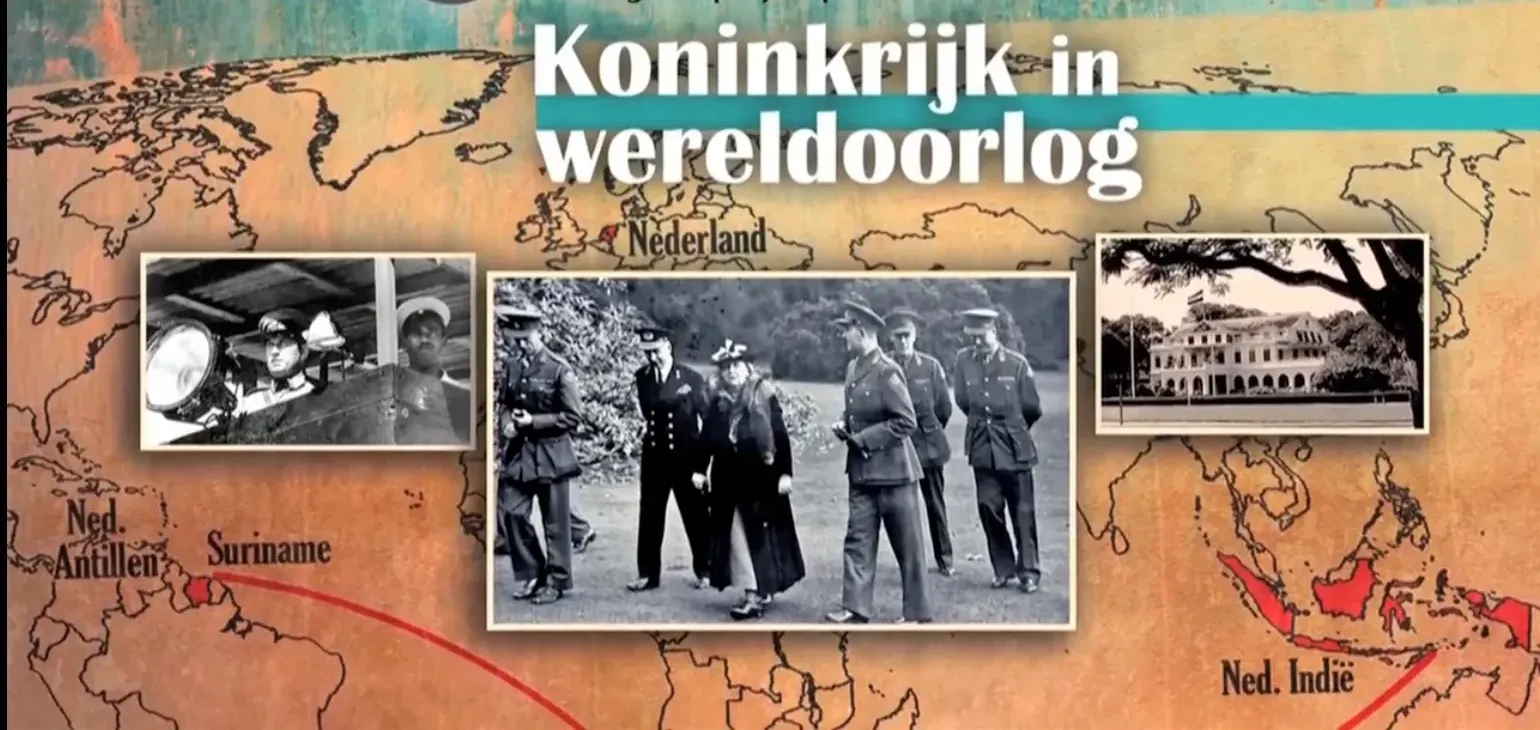
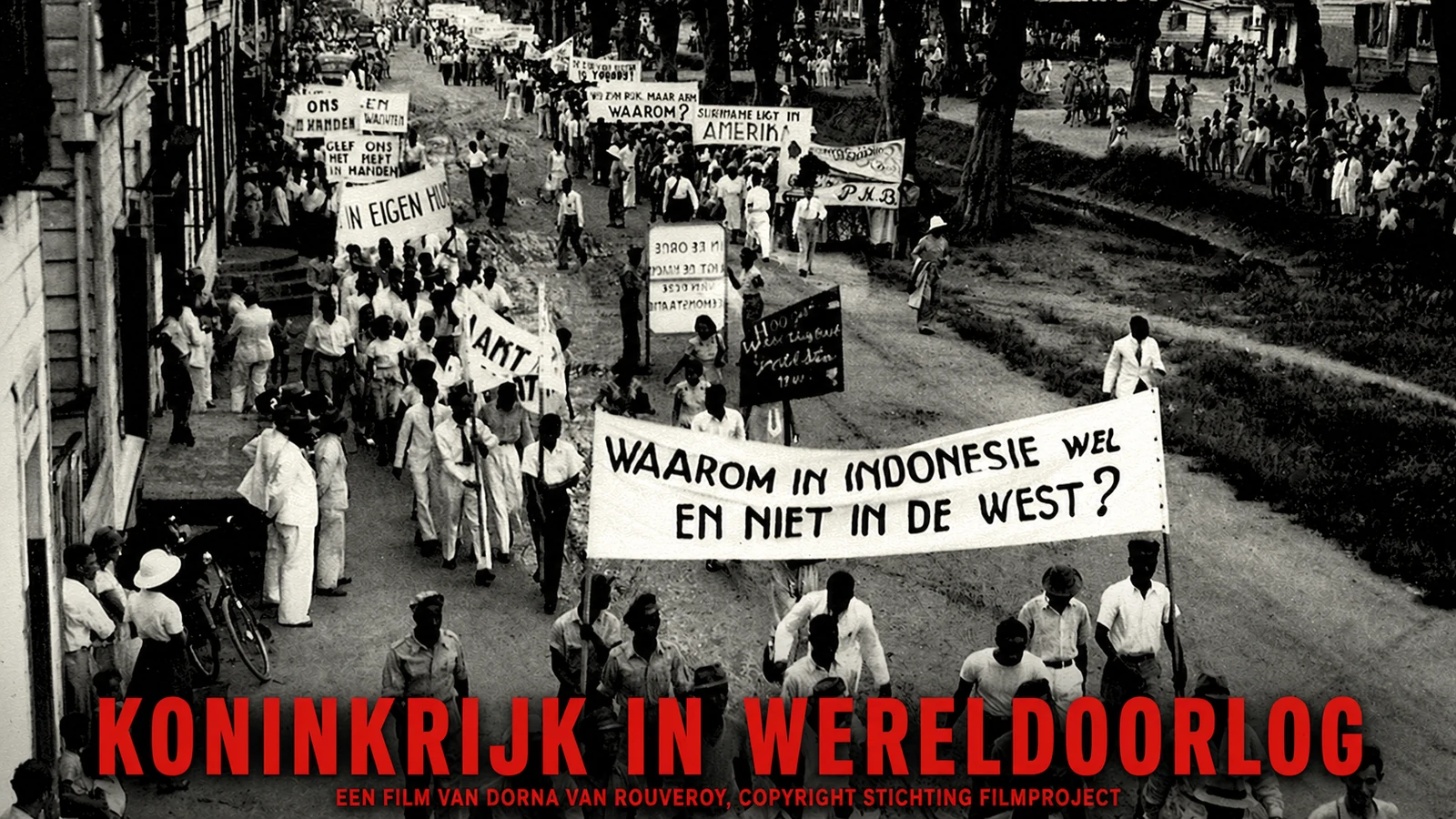
Kingdom at War is about the internment camps the Netherlands established during the Second World War in Suriname and the Dutch Antilles, then the free parts of the Kingdom. Refugee German Jews, South African conscientious objectors, Germans and anti-colonialists were imprisoned there.
From the Dutch East Indies, 146 men were also transported — the so-called “Irreconcilables”: a mix of NSB members and men who had been rounded up and imprisoned at random. Two of them were murdered by their Dutch guards. Despite parliamentary inquiries after the war, those responsible were never prosecuted.
The film follows a search through monuments and the people who tell their stories, showing how the war brought an end to the immense empire the Netherlands once possessed.
Rain in Nagasaki
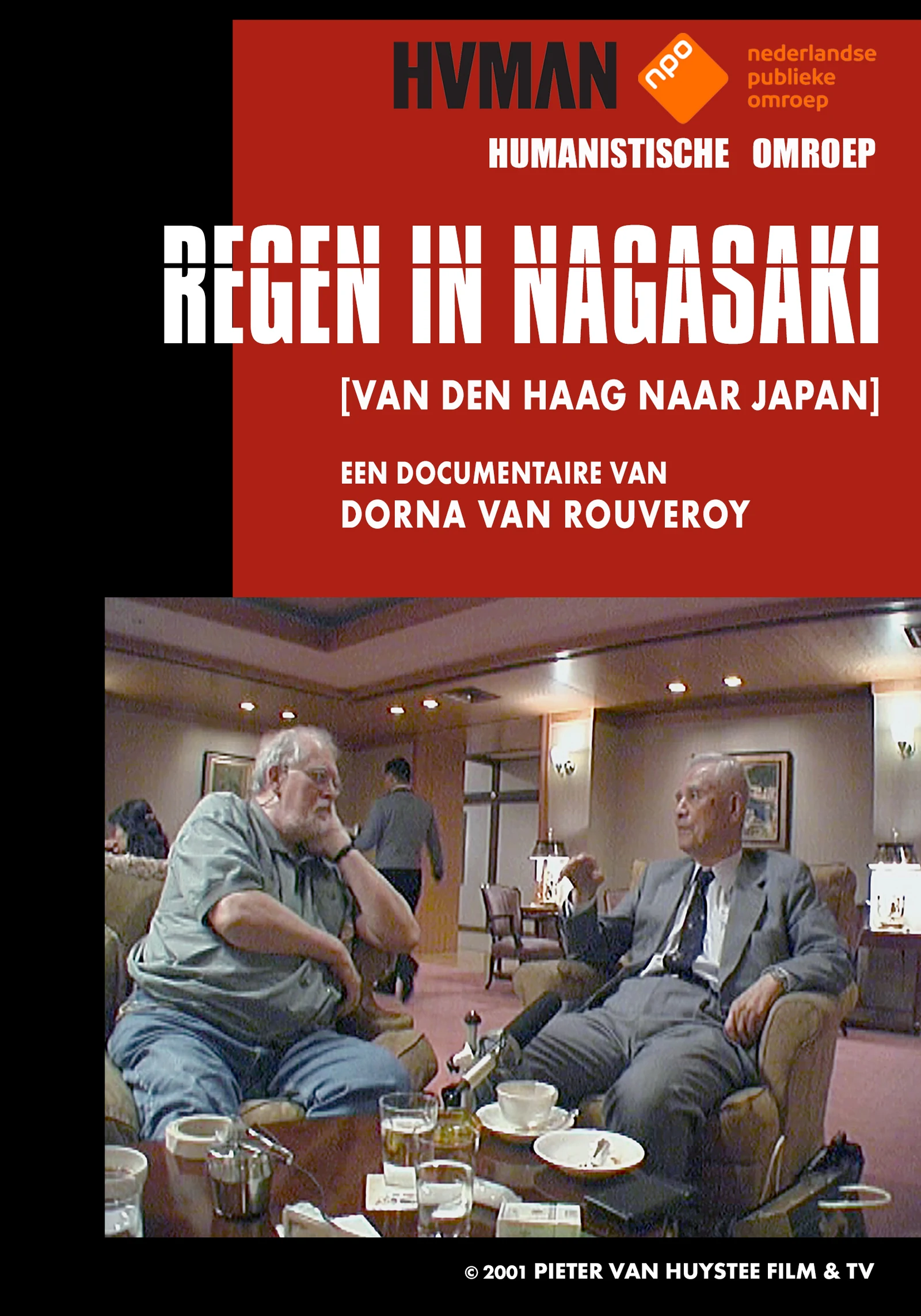
Robert Rouveroy, an experienced cinematographer, finally finds himself on the other side of the camera when he travels to Japan with members of the Dutch Foundation for Japanese Debts of Honour, at the invitation of the Japanese government. During the demanding journey, his daughter Dorna repeatedly tries to persuade him to express his emotions for her camera.
He jokes, behaves cynically and barely recoils when he comes face to face with his former camp guard. “I still remember the hard blows you gave me,” her father says. “So do I,” the man grins. “You were troublesome.”
Rain in Nagasaki gradually reveals the soul of a camp survivor while also recording the similarities and differences between Japanese and Dutch attitudes towards the war: both see themselves as victims, but the Japanese live in denial and the Dutch long for recognition.
A Pieter van Huystee Films production.
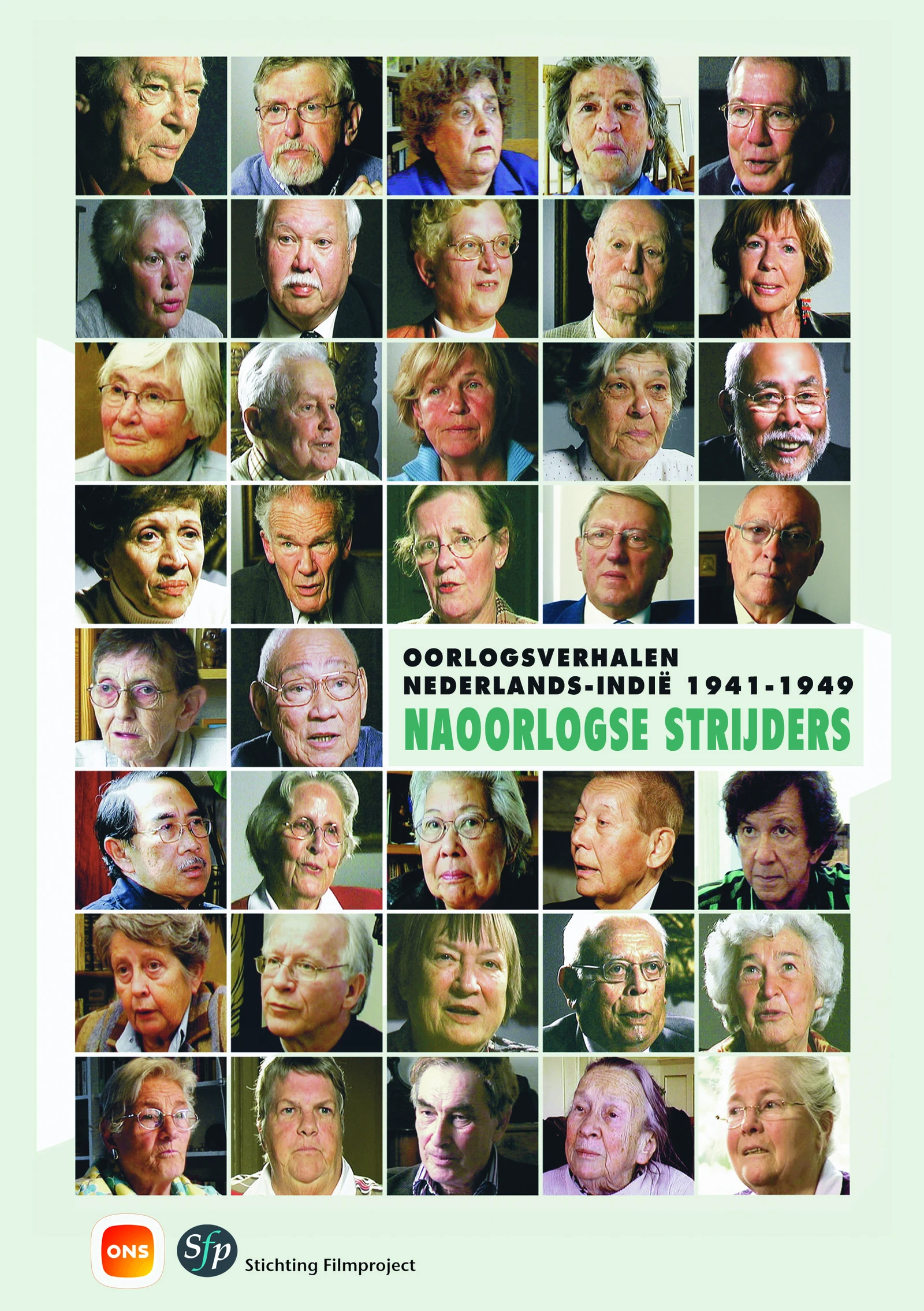
War Stories
War Stories brings together 37 portraits of people sharing their personal histories. Four films were assembled from these portraits:
Part 1: Japan’s Debt of Honour
Part 2: An Indo Family in the Netherlands
Part 3: Post-war Fighters
Part 4: Internment